What is a Logo design? Types of Logo Design

What is a Logo?
Regardless of the many types of logos, a logo’s main purpose is to set a brand apart from its competitors and to create a strong association with the company’s customers.
A good logo design is an important element of brand identity and reflects a company’s basic ideology, vision, and future ambitions, and it creates an emotional connection between a brand and users.
The majority of consumers recognize a brand by its logo. Because of its importance, brands consider every detail when designing their logo.
What is a Logo design?
Logo designs might be in many types and styles, such as Logotype, Lettermark, Pictorial Mark, Emblem, Illustrative, Monogram, etc. A company decides which style is preferable considering the brand’s specific identity and marketing requirements.
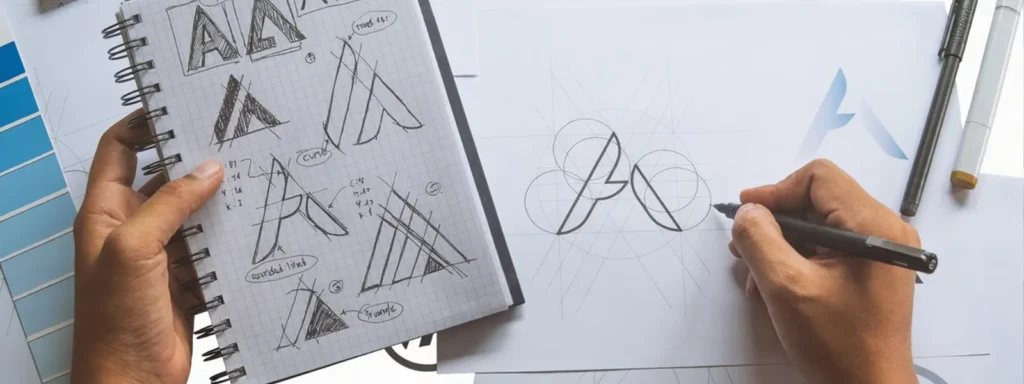
An expert designer not only designs a visually attractive logo, but also makes it strategically effective. A detailed competitive analysis and market research is essential to make a logo more objective-oriented and acceptable.
It’s not about creating a complex design, but rather, a simple and clean design is more impactful and memorable. There are many examples of top brands with simple but elegant logo designs getting more attention and customer trust.
Types of logo Design
Sometimes, the selection of logo type is a company’s personal preference; however, a brand logo type should be relevant to the brand’s type and the particular industry it belongs to. It also depends on the design’s specific needs and basic concept.
Let’s look at some popular logo types a company can choose for its logo design:
Wordmark
When a brand wants to emphasize its brand name more, Wordmark style is a preferable choice, where the brand name is used as a logo. Such brands want to be recognized by their name rather than some symbol or picture. However, the brand name is designed in a specific style to make it attractive and memorable. Usually, this style is suitable for brands with a short name and a simple concept.




Examples of Wordmark logos
CocaCola, Google, FedEx, Sony
Lettermark
Mostly when the brand name is very long and hard to memorize, the lettermark style is preferable. Where the first letter or abbreviation of the brand name use as logo. These initials or abbreviation designed in a specific way, so they reflect the brand identity and are precisely presentable.




Examples of Lettermark logos
IBM, HBO, NASA, JVC
Pictorial Mark
In a pictorial logo style, brands use some icon or symbol to personify brand ideology. These types of logos are easy to remember, yet have much deeper meanings. Because of their pictorial nature, they get more attention and popularity. Brands that want to be introduced by their core values, philosophy, and objectives more than their brand name prefer this logo type.




Examples of Pictorial Mark logos
Apple, Shell, Nike,Twitter
Abstract Mark
Abstract marks are similar to Pictorial marks, except instead of using a known object or living thing as an icon, an abstract shape or symbol is used to explain a deeper idea more interestingly. Sometimes, the core concept behind it is not easy to understand for the audience, but internally it is an effective way to document a company vision and philosophy. However, abstract logos are interesting, creative, and with deeper meanings.


Examples of Abstract Mark logos
PEPSI, Adidas, Slack, Chase
Emblem Logo
This idea is very much taken from military badges, social awards, royal belongings, or official seals. Emblem style generally represents power, authority, nobility, and authenticity. In an emblem logo, different elements such as text, icons, symbols, and abstract artwork are arranged inside an official seal, military shield, or any other high social award.
Examples of Emblem Logo logos
WB, Starbucks, Porsche, NFL
Illustrative Logo
Illustrative logos use a detailed illustration of a character, object, or mascotas an iconic figure to convey a brand message. Generally, Illustrative logos are more complex designs, telling a more detailed story of a brand engagingly.


Examples of Illustrative Logo
Windy’s, KFC, Pringles, Nestle
Features of an effective logo
Styles of Logo Design
Minimalist Logo
Minimalist Logo Style is a very popular and modern logo style, with a clean, simple design with minimum details. Preferably, in this style, solid colors are used instead of gradients, and also avoid using outlines, shadows, or other effects for visual depth.
Vintage/Retro
A vintage-style logo is used to create an association with the past, to express class, reliability, tradition, and heritage. It is commonly used by restaurants, cafés, breweries, barbershops, and clothing brands to express their experience and authenticity.
Hand-Drawn Logo
In this style, a hand-drawn sketch, illustration, or artwork is used to elaborate on a detailed idea and give a unique design look.
3D Logo
It gives a more turbo and strong impression. 3D Logo style is used to show more depth, perspective, light, and realism. This style is mostly chosen by tech companies, construction businesses, computer games, and the auto industry to give a stronger and bold look.
Grunge Logo
This style is suitable for brands that want to give a more furious and rugged look. It is commonly used by rock bands, extreme sports brands, streetwear companies, and businesses that want to project a rebellious or vintage personality.
Signature Logo
In signature logo style, a personal signature or handwriting fonts are used to give a logo a personalized impression. This style is mostly suitable for personal branding logos or individual professionals' brands.
Logo Design Process
Designing a logo is not just about creating an attractive artwork. Before jumping into some logo design software, a designer must have a clear understanding of the brand type, industry, competitors, and target customers, and also be fully aware of the client’s specific requirements.
Whether it is an online logo designing app or an AI prompt, a designer should adopt a systematic approach and consider all factors essential to achieve a design that is not only visually appealing but also strategically effective.
Brands and Clients Requirement
The process starts with a client brief that provides company details, brand information, and the client's preference regarding color, typeface, style, and logo type. This brief can be oral or preferably written; in both cases, it helps a designer to set a complete road map and priorities.
Market and Users Research
Though the initial brief provides important details, a deep study of a particular industry and market research is required to achieve a strategically sound logo design. An expert designer conducts competitor analysis and studies design strategies of similar brands.
The success of a design depends on its perceptions and acceptance by its target audience. A designer is fully aware of current trends, customer behavior, gender, and age group of the target audience.
Generating Initial Idea and Concept
Enough information about the company and clients' requirements, along with detailed market research and consumer behavior, provides a solid foundation for brainstorming an initial design idea. This creative process depends upon a designer's design skills and creativity.
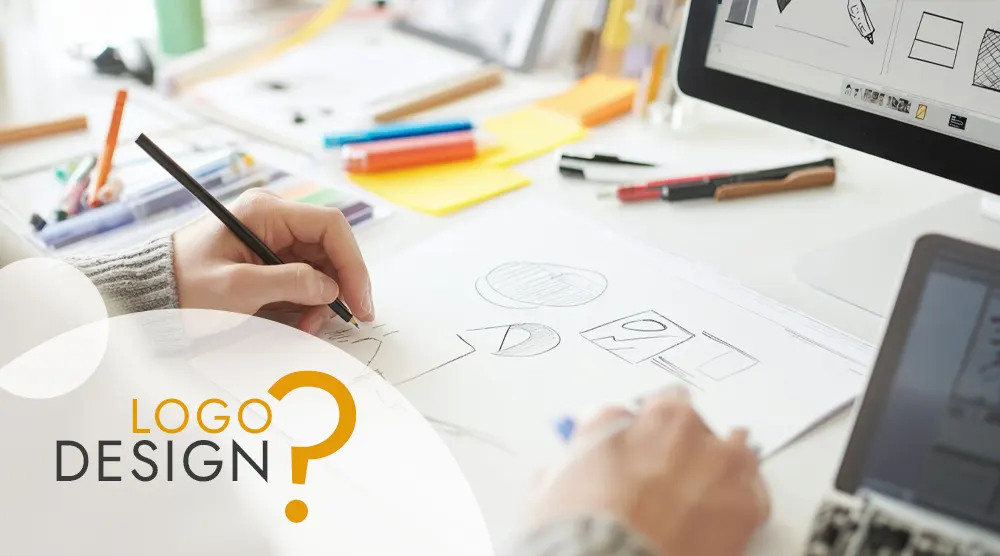
A designer draws multiple sketches and design ideas, inspired by the initial concept, to create the perfect one. Mostly, designers with good drawing skills prefer drawing on an art book or on physical canvas before converting it into a digital version in design software.
Final Design
After client approval, the initial sketch is converted to more refined digital versions. For this, various computer software programs are used to create a more professional logo design, which is convertible in the required file format.
Generally, designers follow brand Identity design guidelines and choose colors, typeface, icons, and other elements accordingly.
Software used for logo design
Computer Software | Online Software |
|---|---|
Adobe Photoshop | |
Adobe Illustrator | |
CorelDRAW | Looka |
Affinity Designer | Hatchful (Shopify) |
Inkscape | LogoMakr |
Sketch | DesignEvo |
Frequently Asked Questions (FAQ)
Summary
A logo design is a thoughtful process where a designer uses various design elements such as symbols, text, colors, and other elements to create a brand's visual representation.
Logo designs can be of many types and styles, such as Logotype, Lettermark, Pictorial Mark, Emblem, Illustrative, Monogram, etc. A company decides which style is preferable considering the brand's specific identity and marketing requirements.
An expert designer not only designs a visually attractive logo, but also makes it strategically effective. A detailed competitive analysis and market research are essential to make a logo more objective-oriented and acceptable. An effective logo design is simple, clean, original, relevant, flexible, and easy to memorize.